
-0.png?w=2048&h=2048)
Presbyopia is characterized by blurred near vision but clear yet easily dizzy distant vision. Its core causes are declined lens accommodation and imbalanced compensation of the visual system, which can be fully explained from two aspects: physiological mechanisms and triggering factors.
I. Core Physiological Causes: Degraded Accommodation + Focus Imbalance
Presbyopia essentially occurs after the age of 40, when the lens hardens and loses elasticity, and the ciliary muscle weakens in contraction. This leads to the decline of accommodation—the eye’s ability to switch focus between near and far objects.
- When viewing near objects, the lens cannot sufficiently curve, causing light to focus behind the retina, resulting in blurred near vision.
- When viewing distant objects, no accommodation is needed; the lens remains flat, allowing light to focus normally, so distant vision is unaffected.
The key reason for dizziness is disordered visual system compensation:
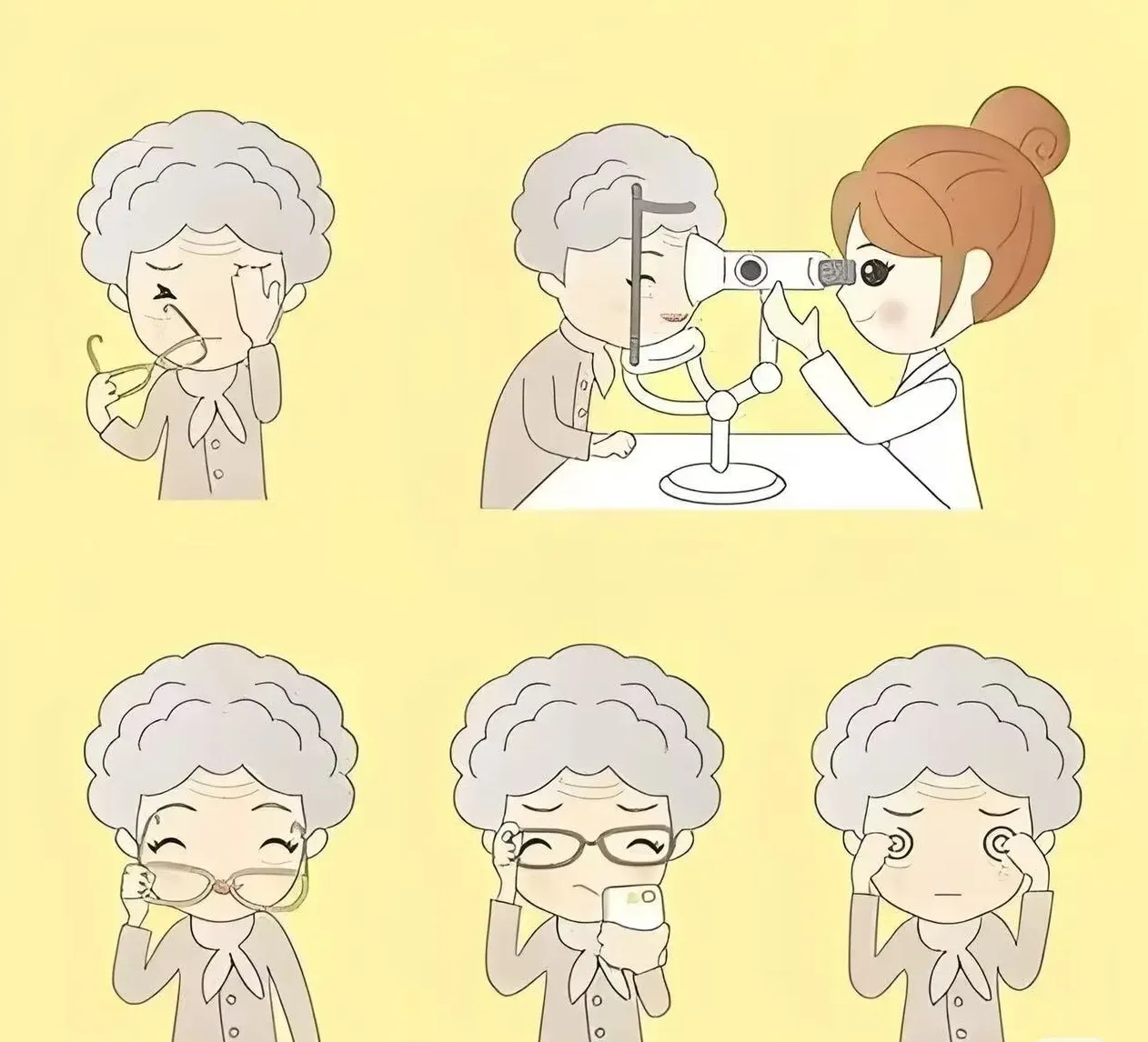
The eyes attempt to force the lens to curve by over-contracting the ciliary muscle and tensing other eye muscles. Prolonged muscle fatigue causes eye soreness and dizziness. Meanwhile, the brain must constantly correct blurry near images and frequently switch between near and far vision, leading to fatigue in the visual center and symptoms such as dizziness and nausea—especially obvious during frequent near-far switching.
II. Common Triggering Factors (Worsening Dizziness)
- Inappropriate presbyopic prescription:
Too high a power keeps the ciliary muscle tense; too low a power still requires excessive accommodation. Both aggravate fatigue and dizziness.
- Poor eye habits:
Prolonged close work such as reading or using mobile phones, and eye use in overly dim or bright environments, increase muscle strain and visual stimulation.
- Combined conditions:
Coexisting hyperopia, astigmatism, eye diseases (e.g., cataract), or systemic issues (e.g., hypertension, cervical spondylosis) can compound dizziness.
In short:
Blurred near vision in presbyopia results from insufficient accommodation, while dizziness is a chain reaction of muscular compensation and visual center fatigue.
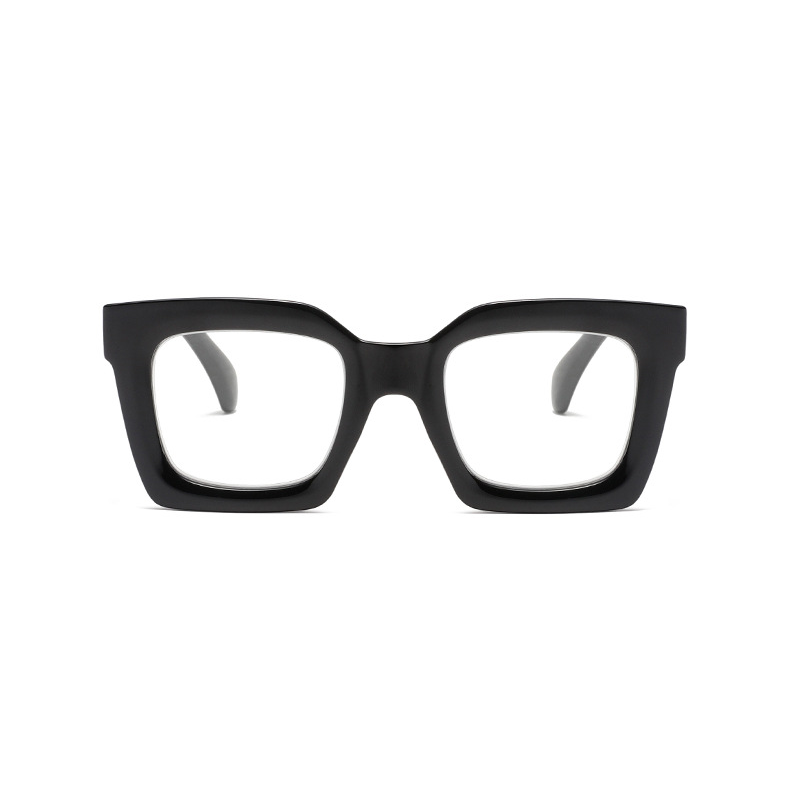
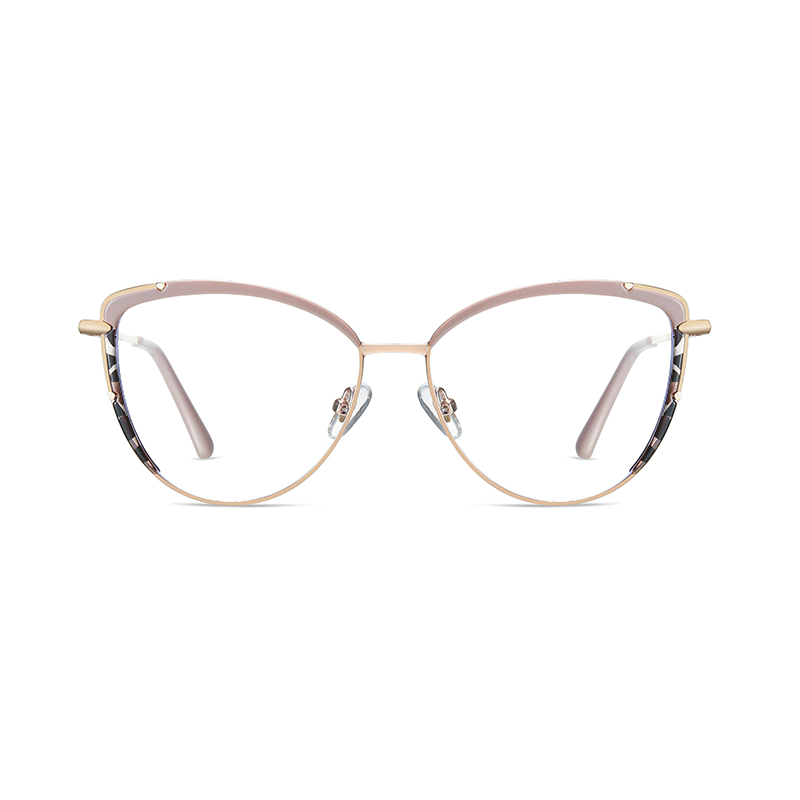
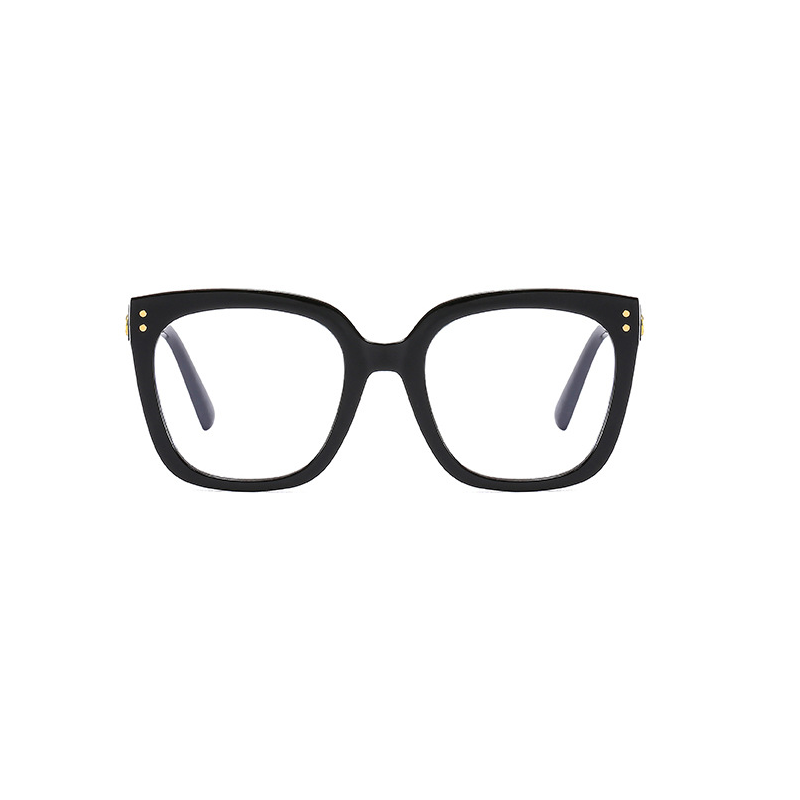
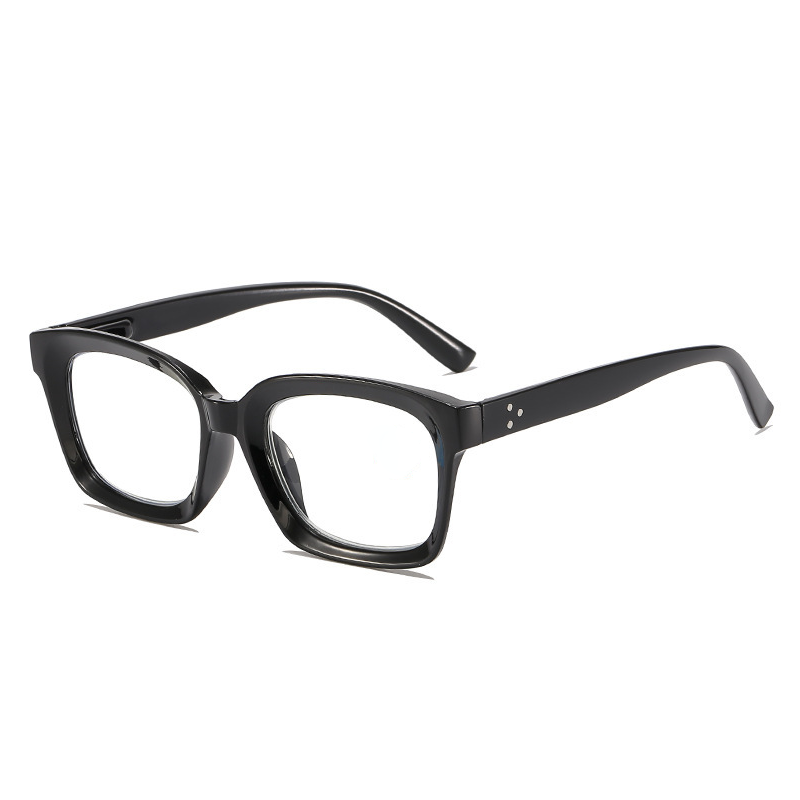
These symptoms can be effectively relieved by wearing properly prescribed reading glasses and avoiding prolonged close-range eye use.
https://scoolglasses.com/products/rectangle-glasses-69-n7733



.png?w=768&h=1376)
.png?w=1024&h=1024)









-1.png?w=800&h=800)