

-42.jpg?w=2048&h=2048)
1. Accuracy of Refraction: The Prerequisite for Glasses
Have a comprehensive medical eye exam at a formal medical institution or professional optometry center.Do not buy ready-made reading glasses without a professional exam.
Refraction includes:
- Uncorrected visual acuity
- Corrected visual acuity
- Intraocular pressure
- Fundus screening
- Accommodative amplitude
- Pupil distance (PD)
- Astigmatism measurement
Presbyopia power is marked with “+” (e.g., +1.00 D).The initial power is usually +1.00 D to +1.50 D, and may increase by +0.50 D every 2–3 years.

2. Lens Types: Choose According to Needs
Single vision lenses
Only for near reading; low cost, but must be removed for distance vision.
Bifocal lenses
Upper portion for distance, lower portion for near vision.Suitable for frequent distance near switching, but have visible lines and image jump.
Progressive addition lenses (PAL)
No visible lines; clear continuous vision for distance, intermediate, and near.Natural appearance, but requires an adaptation period of 1–4 weeks with slight peripheral blur.Ideal for multi scene users (teachers, office workers).Requires a frame height ≥ 28 mm.
3. Frame Comfort: Key Details
Material Selection
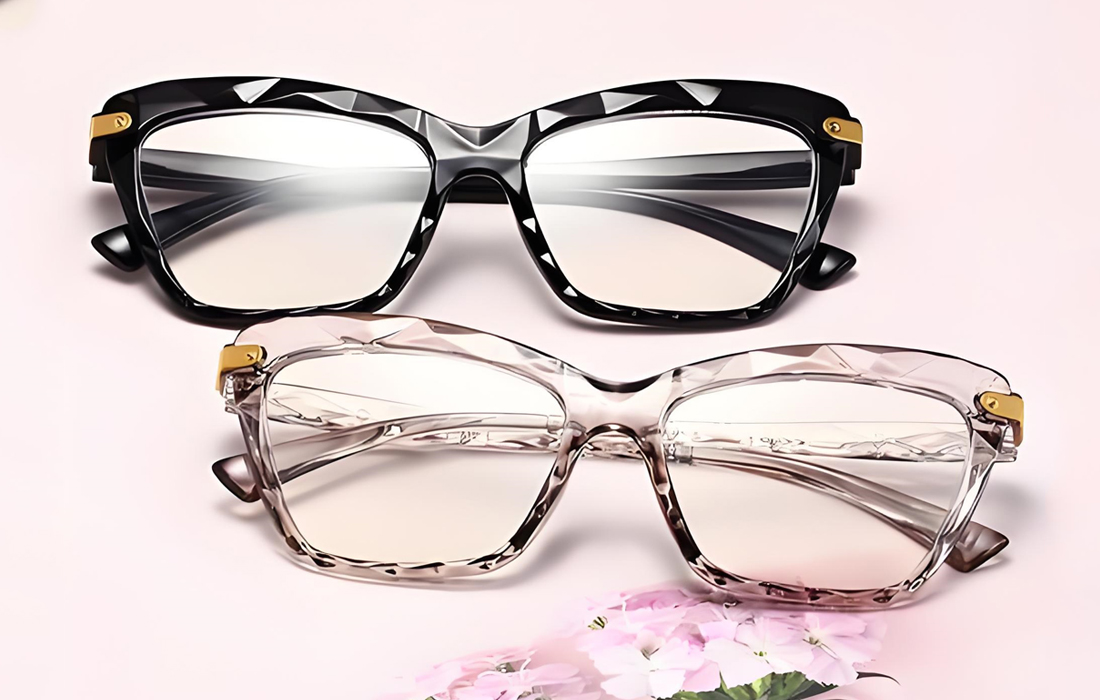
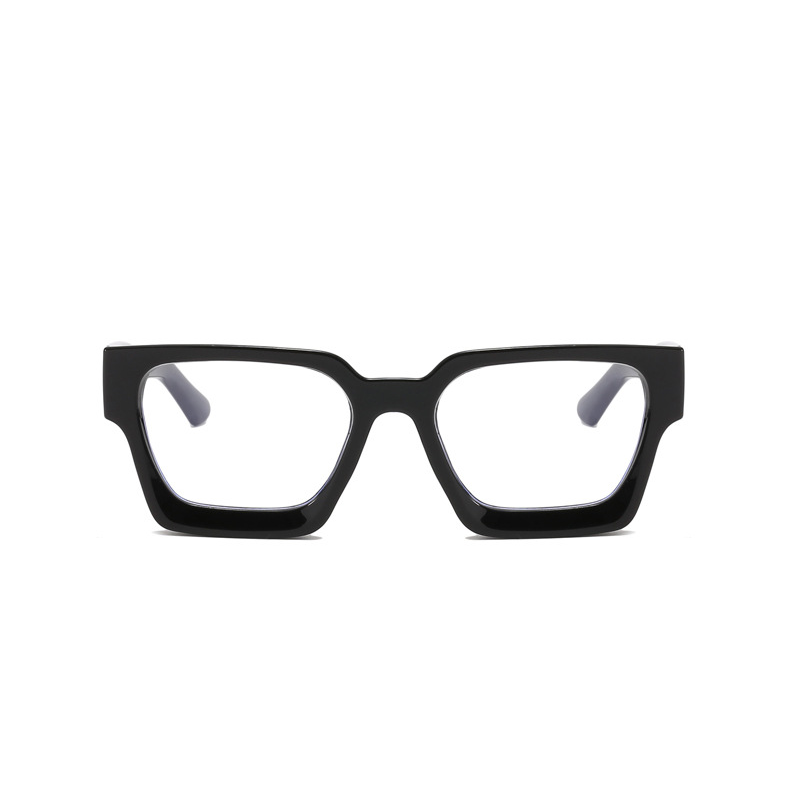
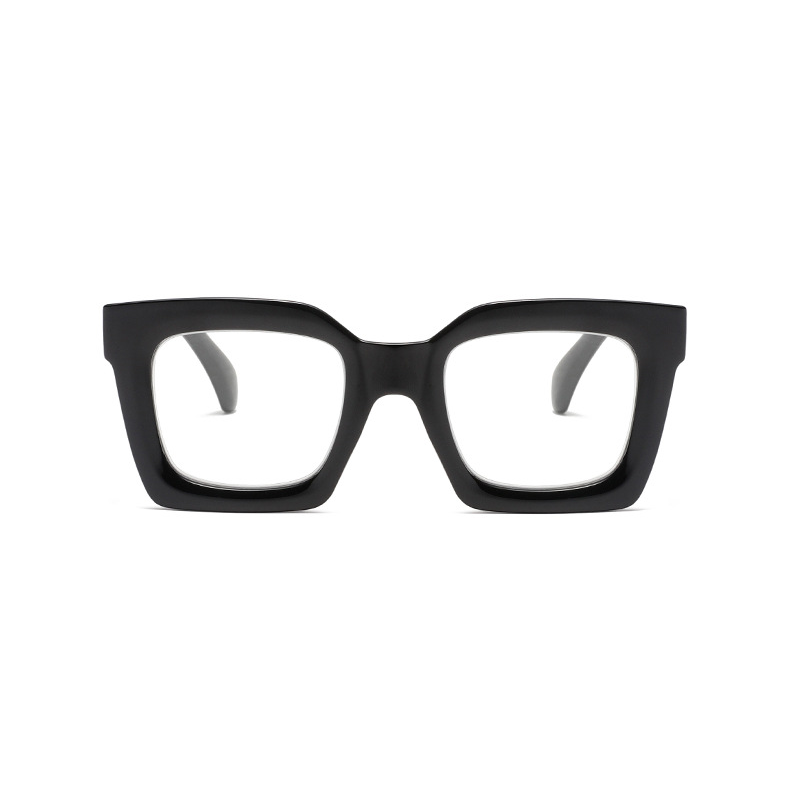
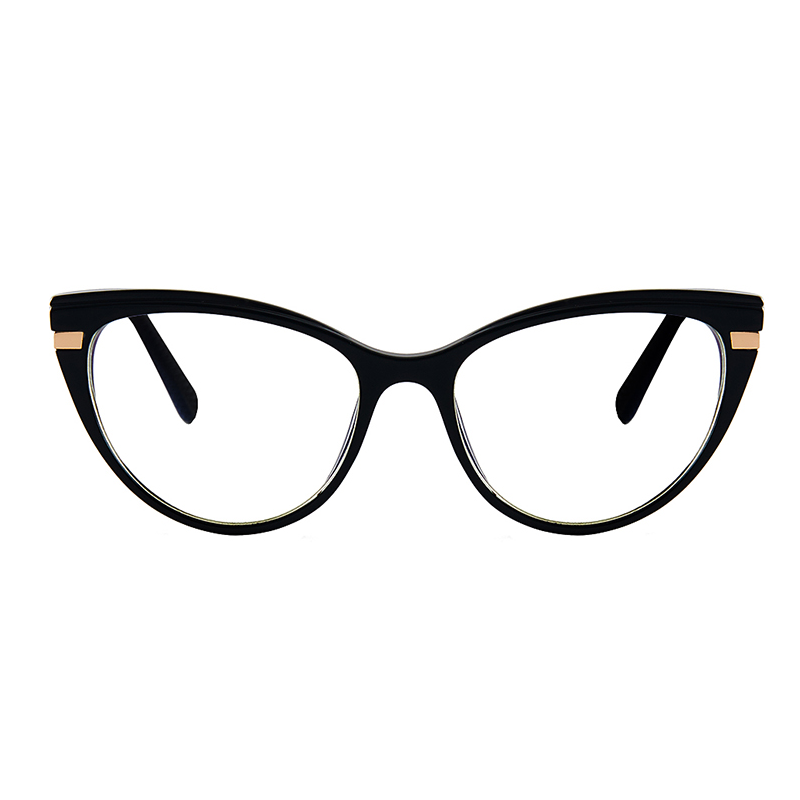
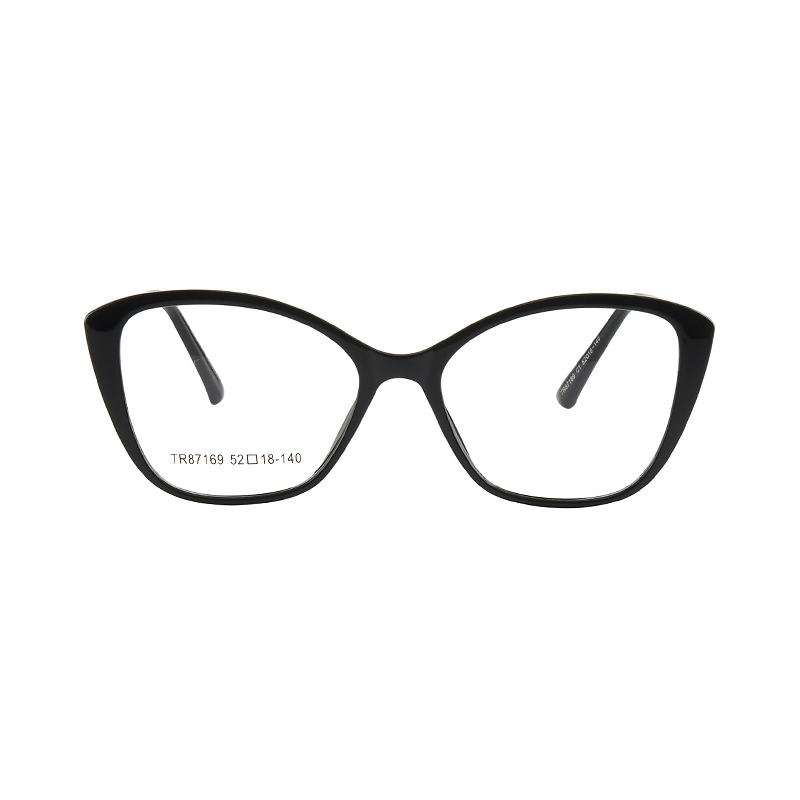
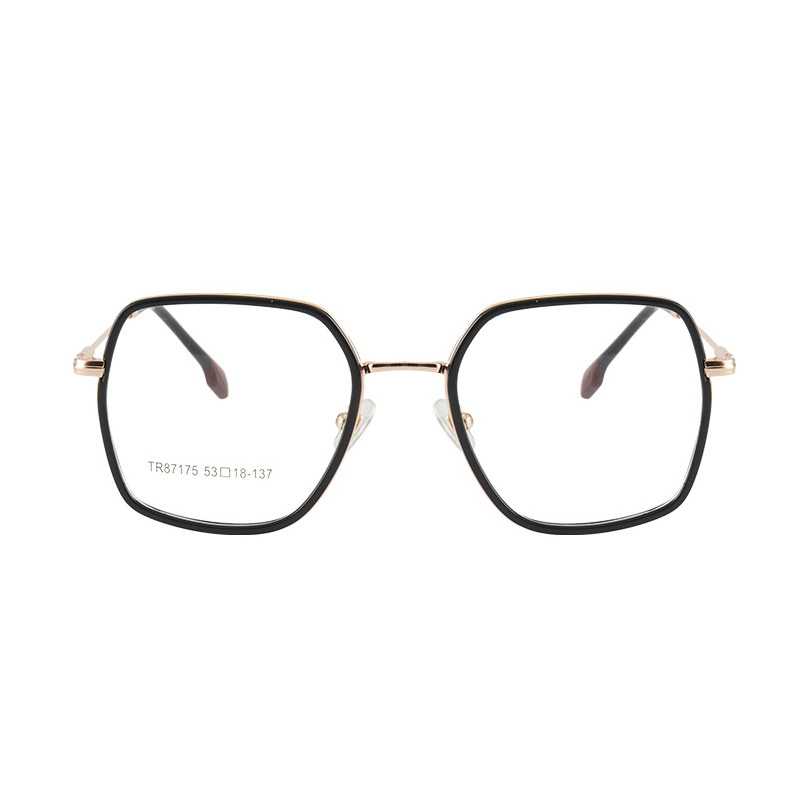
- Resin / TR90: Lightweight, flexible, good for daily wear.
- Titanium alloy: Ultra light, corrosion resistant, suitable for sensitive skin.
Design Points
- Nose pads distribute pressure and prevent slipping.
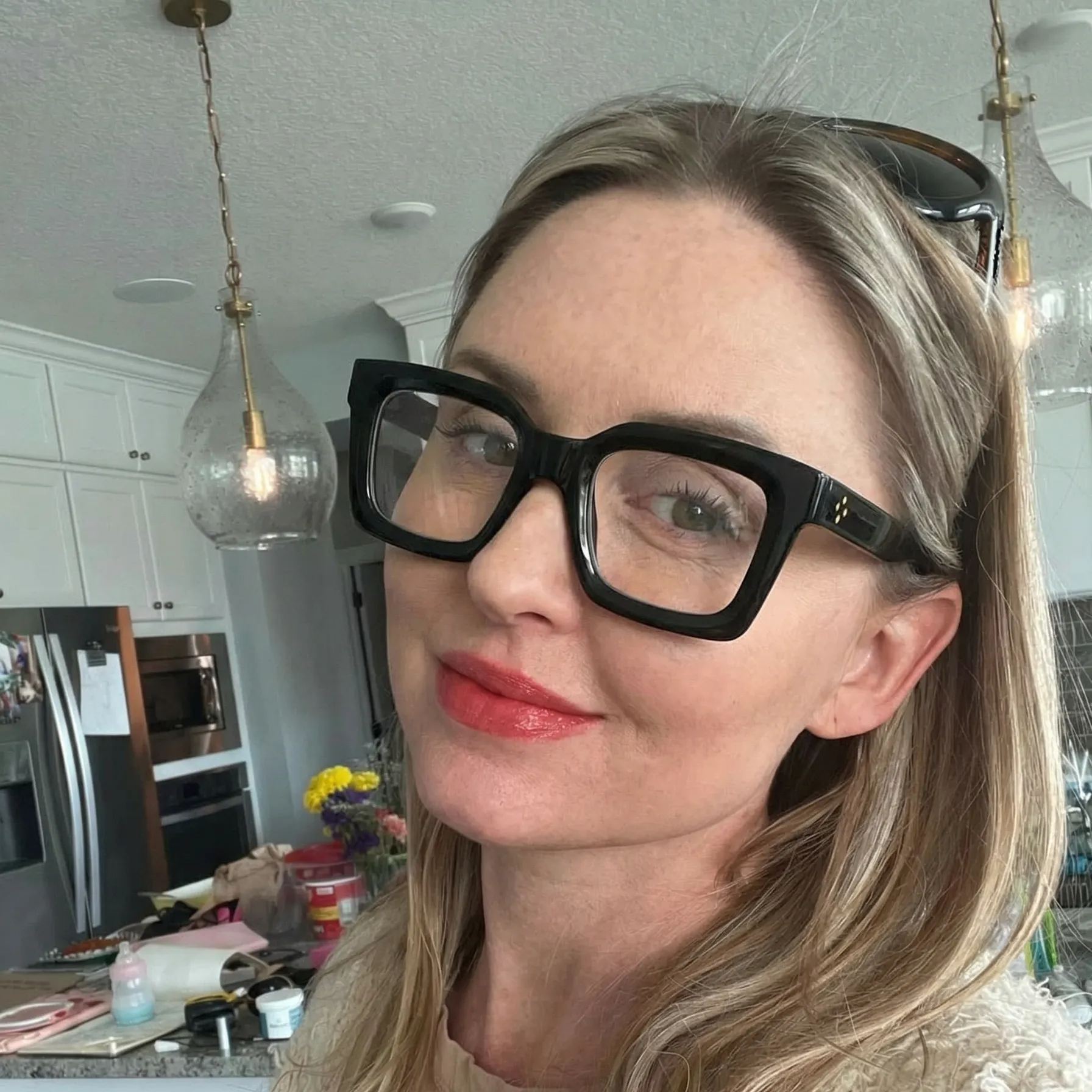
- Temple arms fit the ears securely.
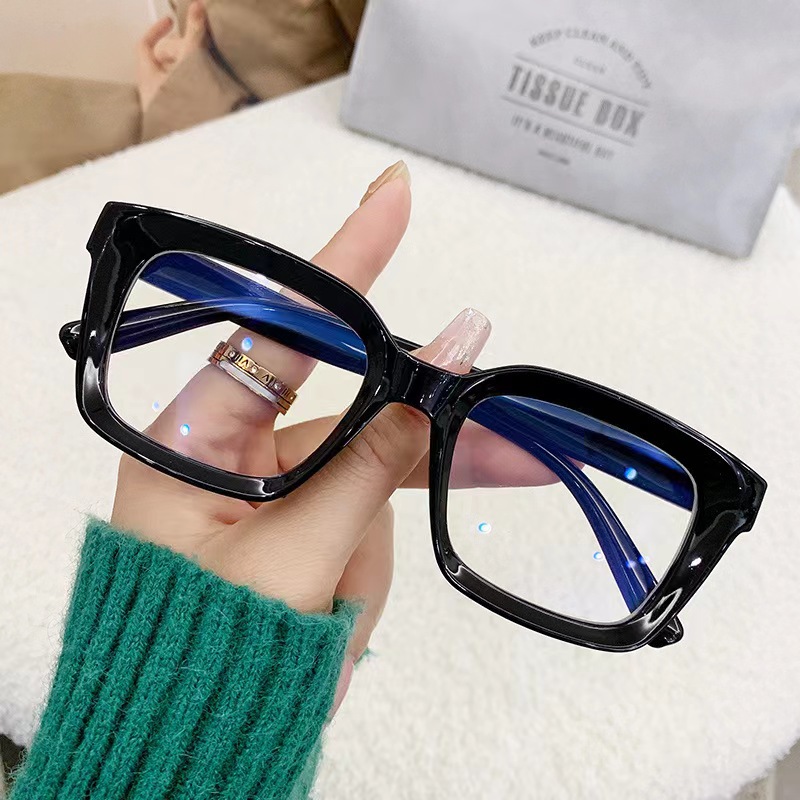
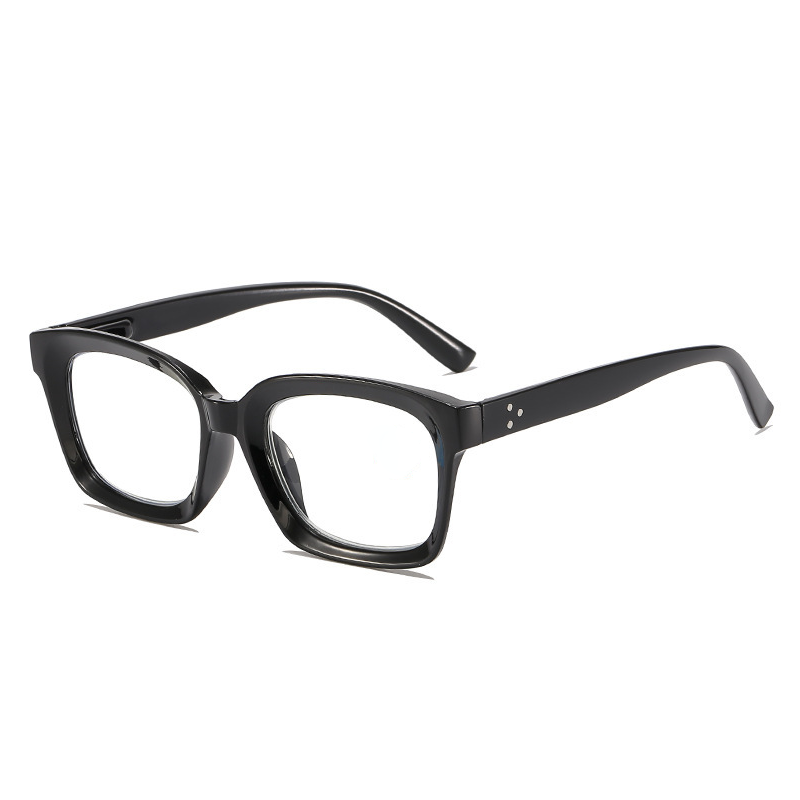
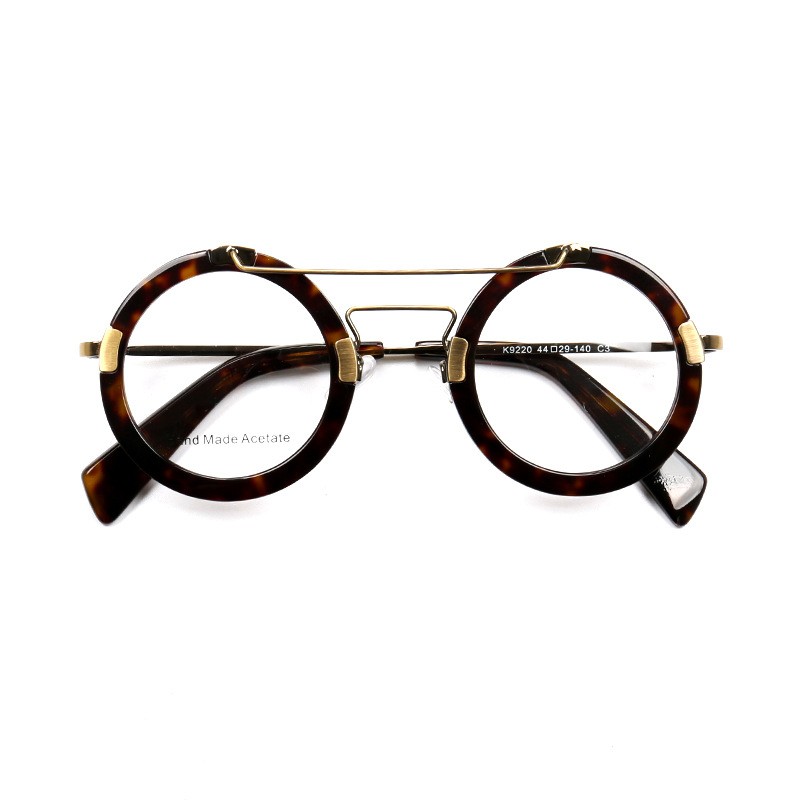
- Full frames: stable, recommended for high prescriptions.
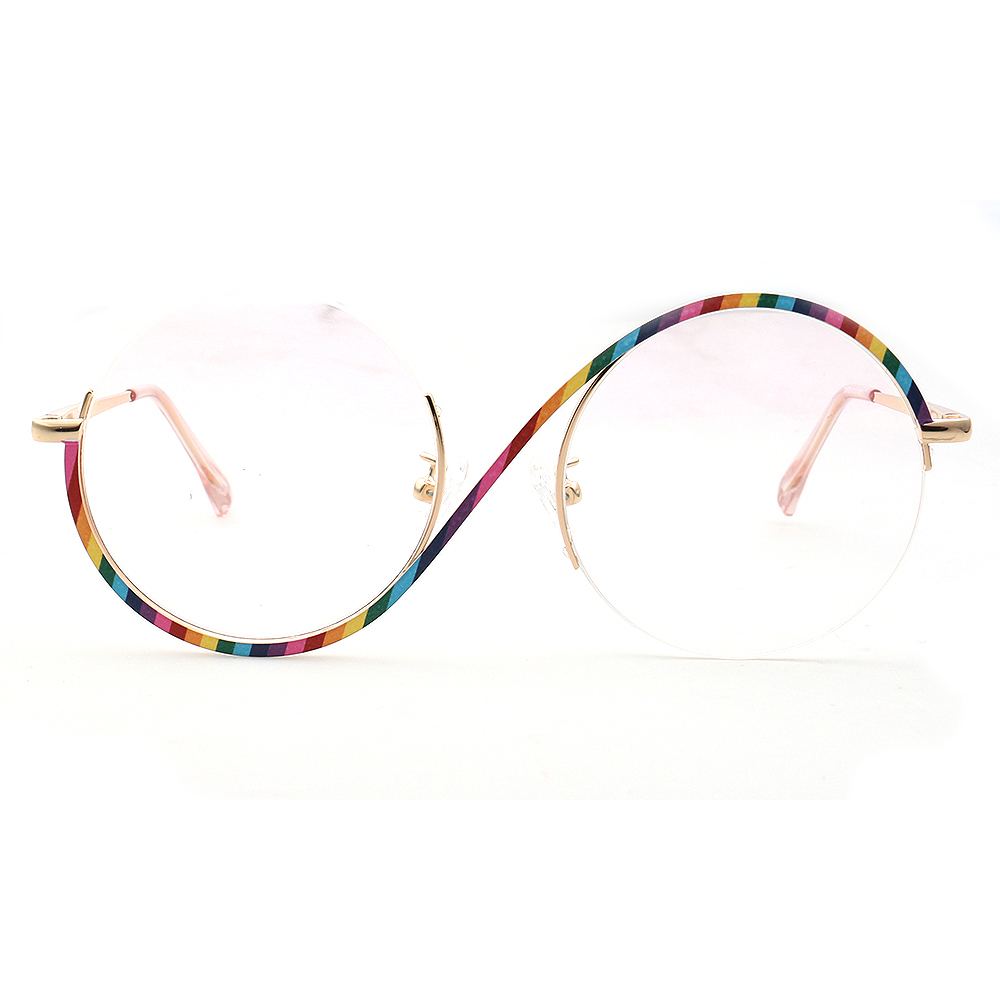
- Half rim / rimless frames: lighter and more delicate.

4. Matching to Usage Scenarios
- Only reading or handwork: Single vision reading glasses are sufficient.
- Frequent distance intermediate near switching(computer, driving):Progressive addition lenses or two pairs (one for reading, one for distance).
- Screen users: Can consider blue light blocking lenses, though they may slightly affect color perception.
5. Regular Follow Up & Daily Care
- Have your eyes rechecked every 1–2 years; presbyopia usually worsens with age.
Daily Care
- Clean lenses with professional cloth and solution to avoid scratches.
- Keep a reading distance of 30–40 cm; rest 5–10 minutes every 45 minutes.
- Maintain a balanced diet with vitamin A, lutein, and other eye nutrients.
Special Reminders
Use caution if you have:
Cataract surgery history, diabetes, glaucoma, etc.Presbyopia correction must be guided by an ophthalmologist.
A difference > +1.50 D between the two eyes:Customized unequal power lenses may be required.
If you experience eye strain, headache, distorted vision,stop use and re examine immediately; do not adjust power on your own.

.png?w=2048&h=2048)





.jpg?w=4096&h=4096)
-2.png?w=2048&h=2048)
-1.png?w=2048&h=2048)

-3.png?w=2048&h=2048)
-4.png?w=2048&h=2048)