
What is the Difference Between Prescription Glasses and Reading Glasses?
Do you often squint at your phone, magazine, or computer screen, wondering whether you need new glasses—or a completely different type of lens? Understanding the difference between prescription glasses and reading glasses is essential for clear vision and optimal eye health. With so many styles and options available, especially for women seeking fashionable and unique frames, choosing the right eyewear can be a daunting task. In this guide, we break down everything you need to know about prescription glasses and reading glasses so you can make an informed decision for your next pair.
Understanding Prescription Glasses
Prescription glasses are tailor-made to meet your unique vision needs. Crafted based on a detailed eye exam by an optometrist or ophthalmologist, these glasses correct a variety of vision issues that go beyond simple reading challenges.
**Personalized Vision Correction**
Prescription glasses address different refractive errors, such as:
- **Myopia (Nearsightedness):** Difficulty seeing distant objects clearly.
- **Hyperopia (Farsightedness):** Trouble focusing on close items.
- **Astigmatism:** Blurred vision due to the irregular shape of the cornea.
- **Presbyopia:** Age-related loss of near vision, usually corrected with multifocal or progressive lenses.
An eye care professional thoroughly examines your eyes, measures your exact requirements, and then provides a written prescription. This document specifies every aspect of your vision correction, including measurements for each eye, pupillary distance, and any need for progressive, bifocal, or single-vision lenses.
**Fashion and Function Combined**
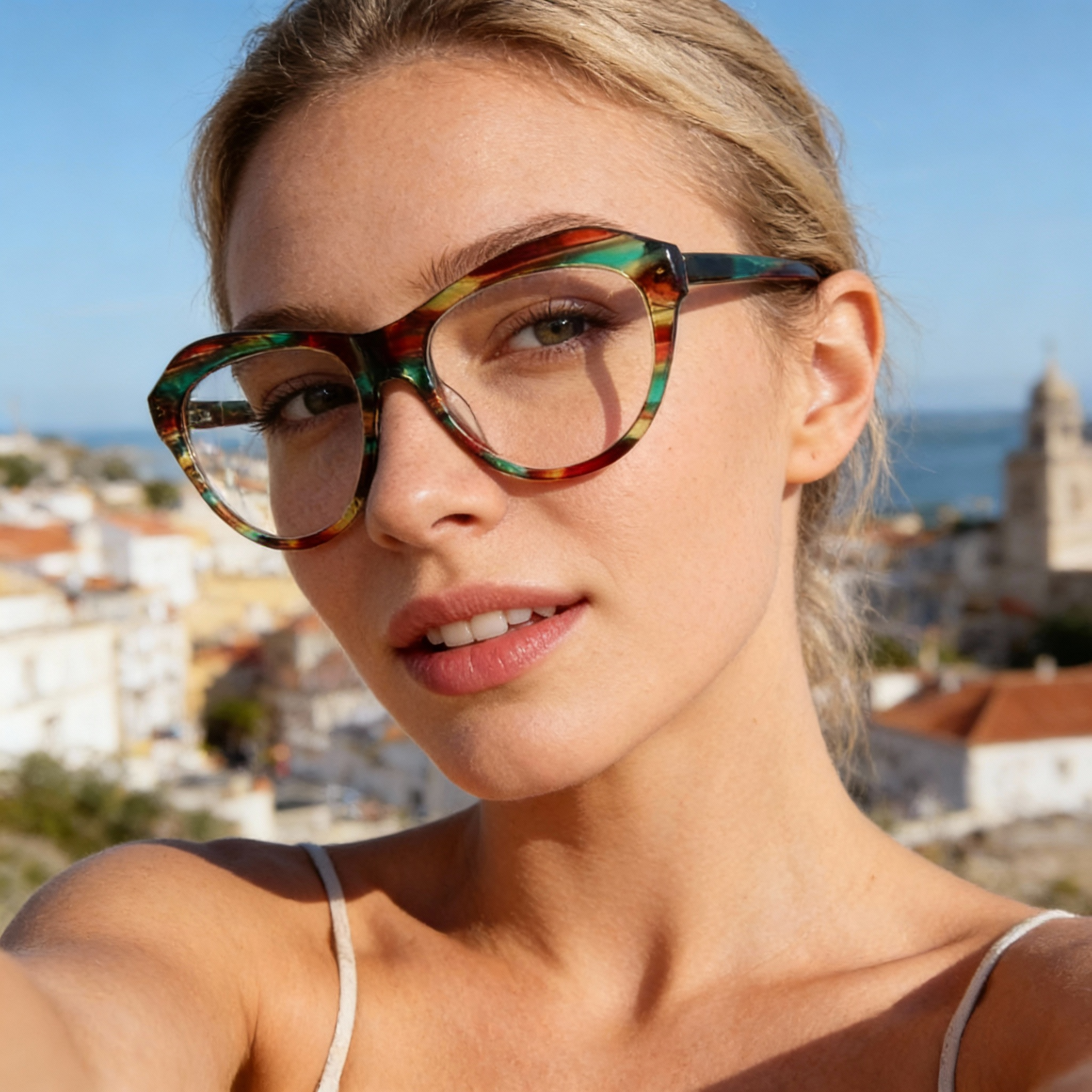
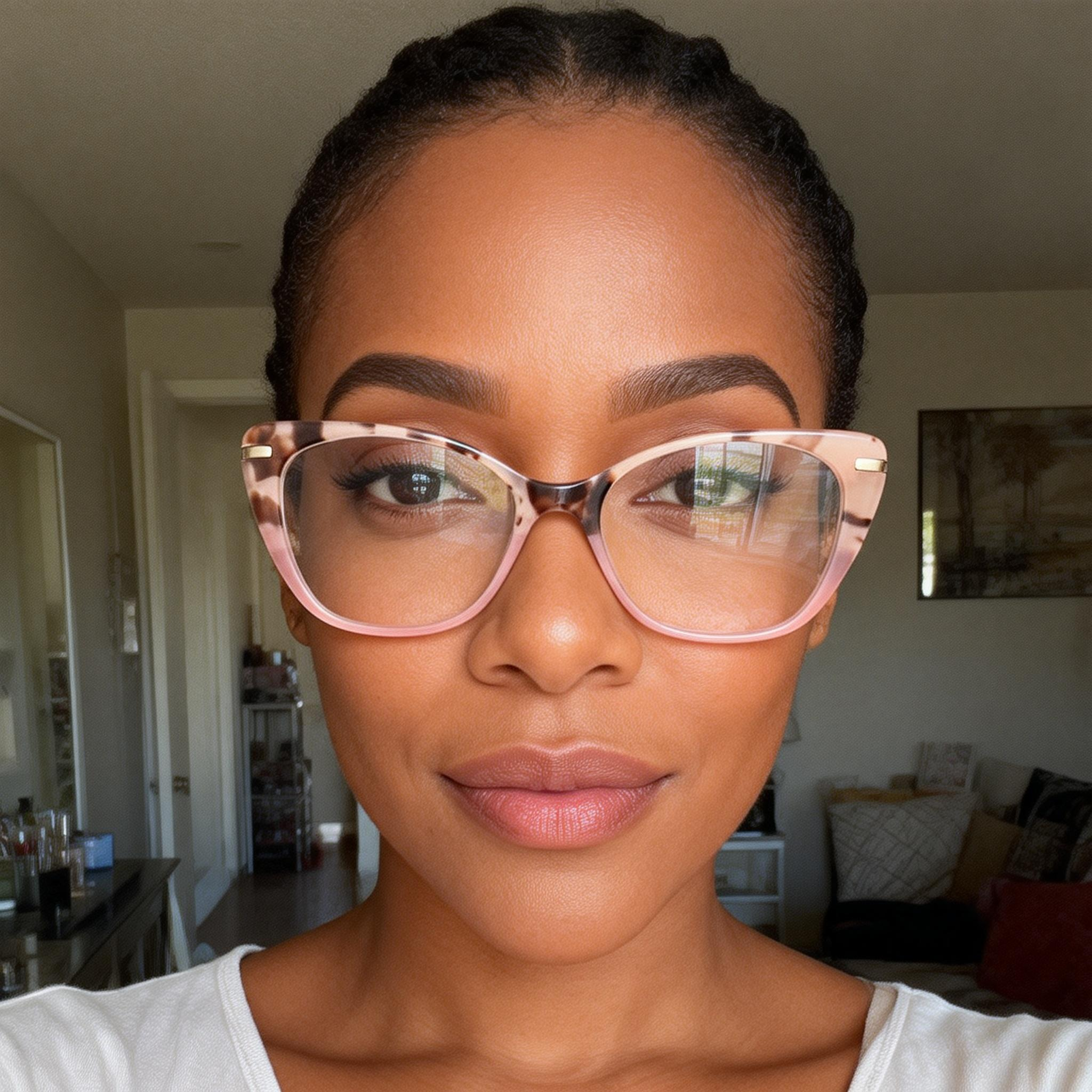
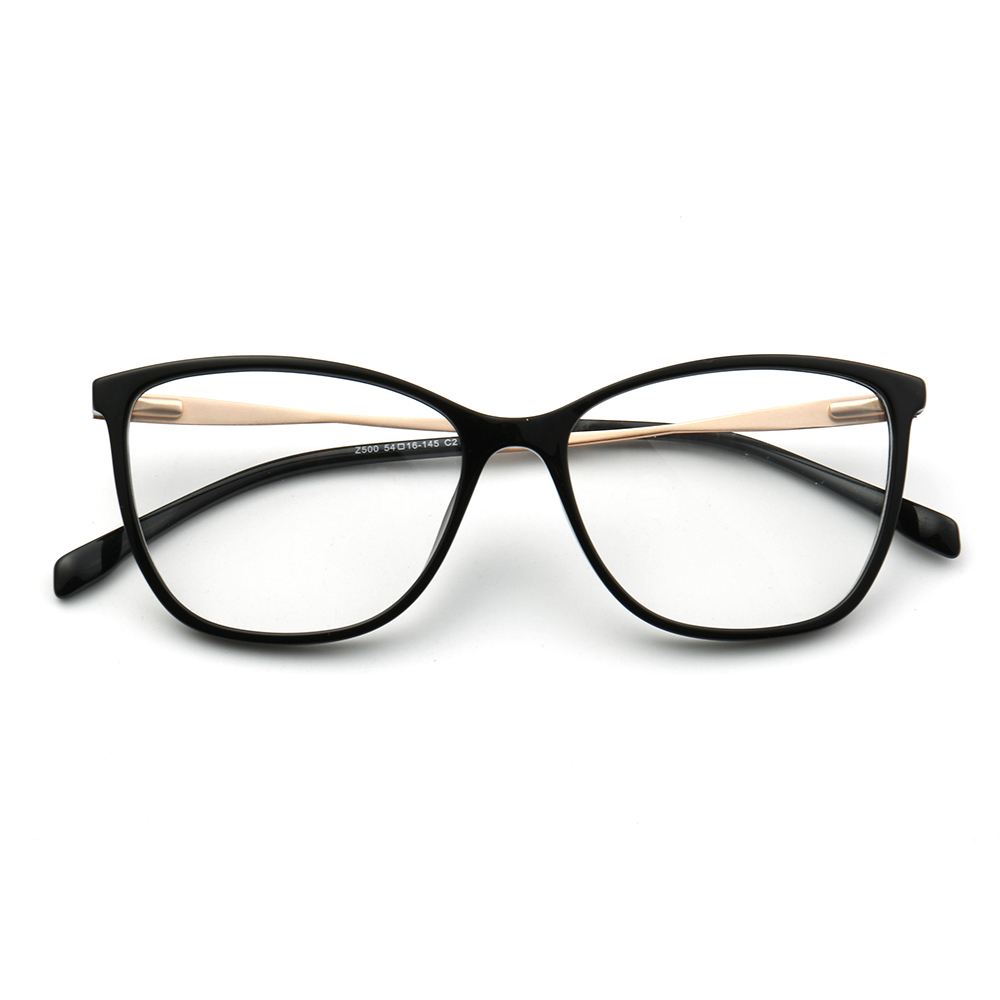
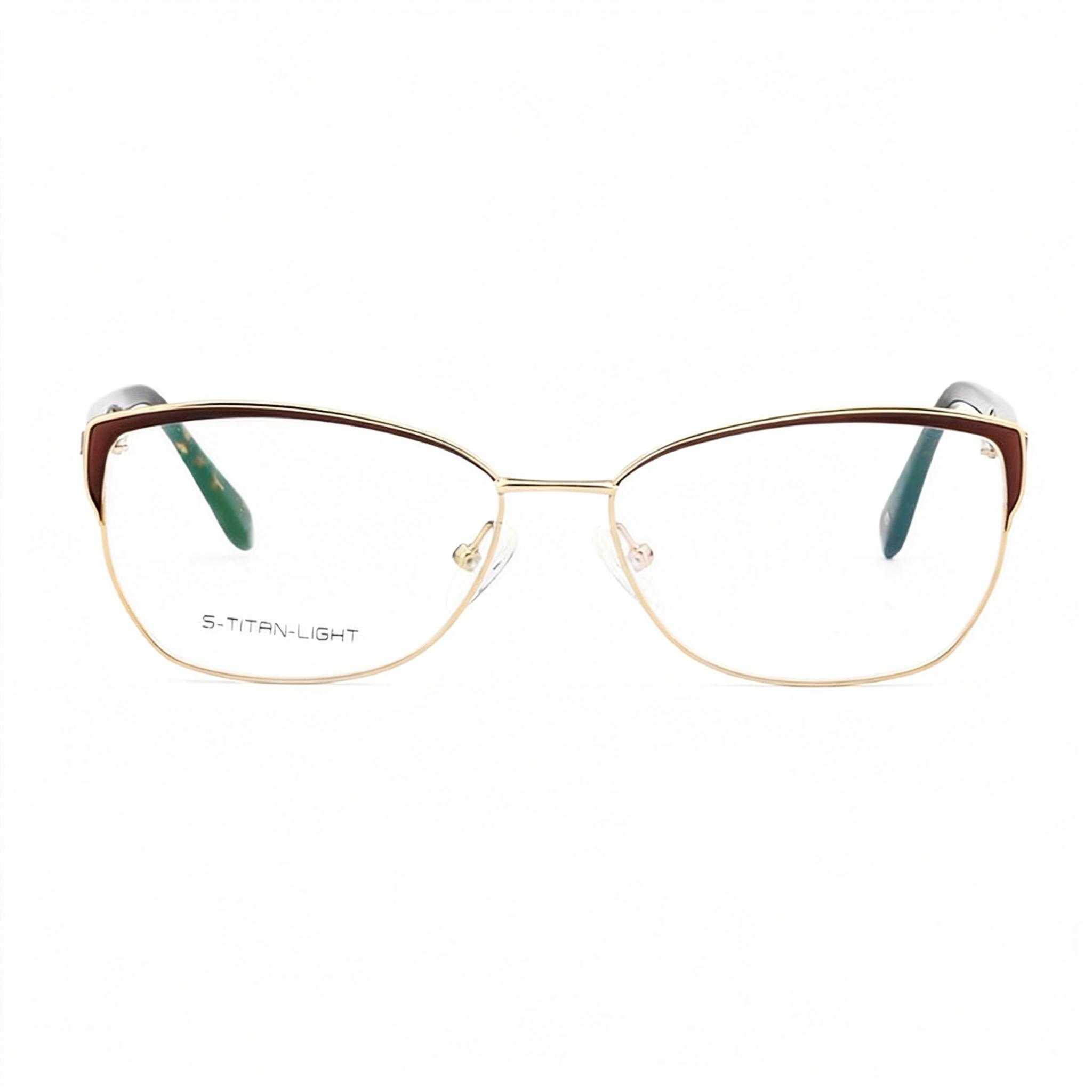
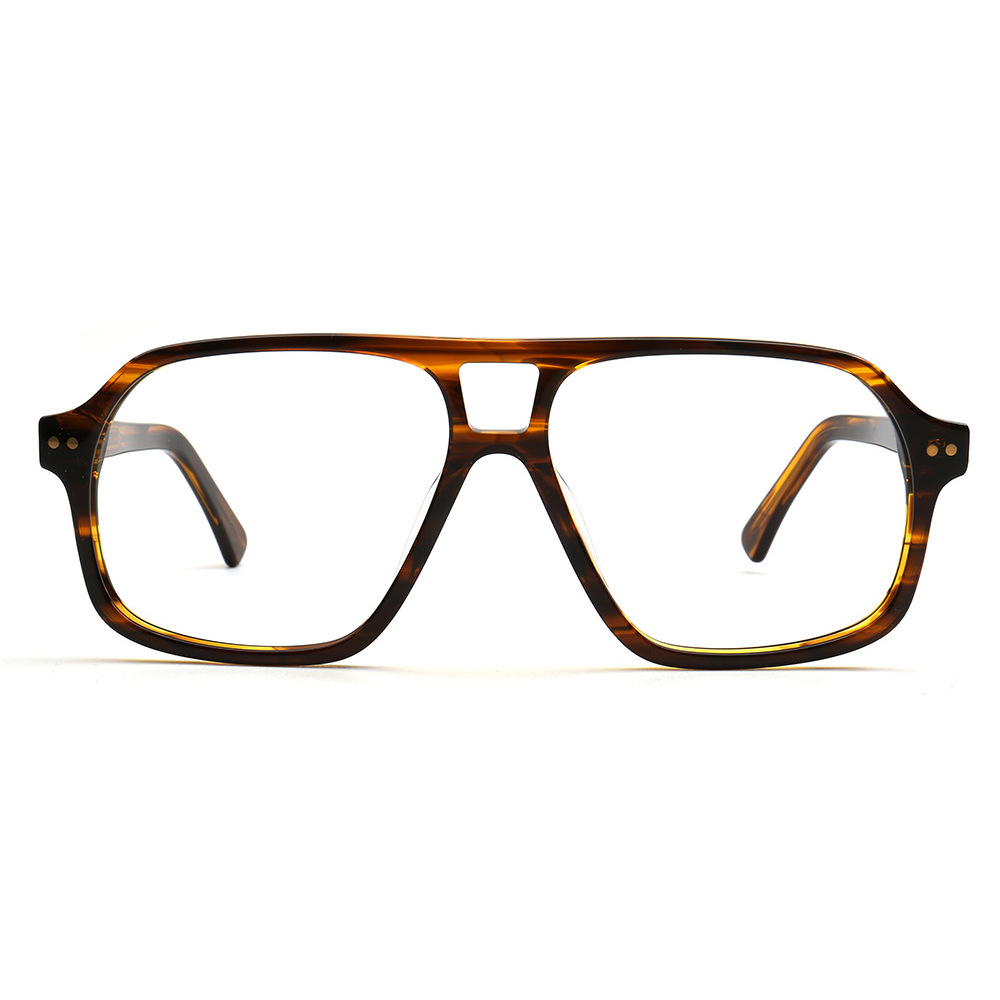
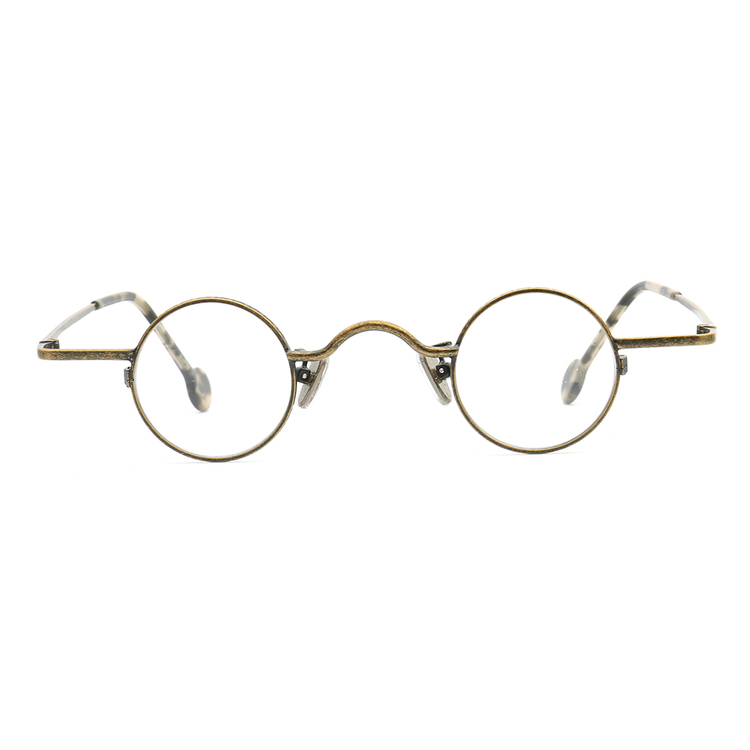
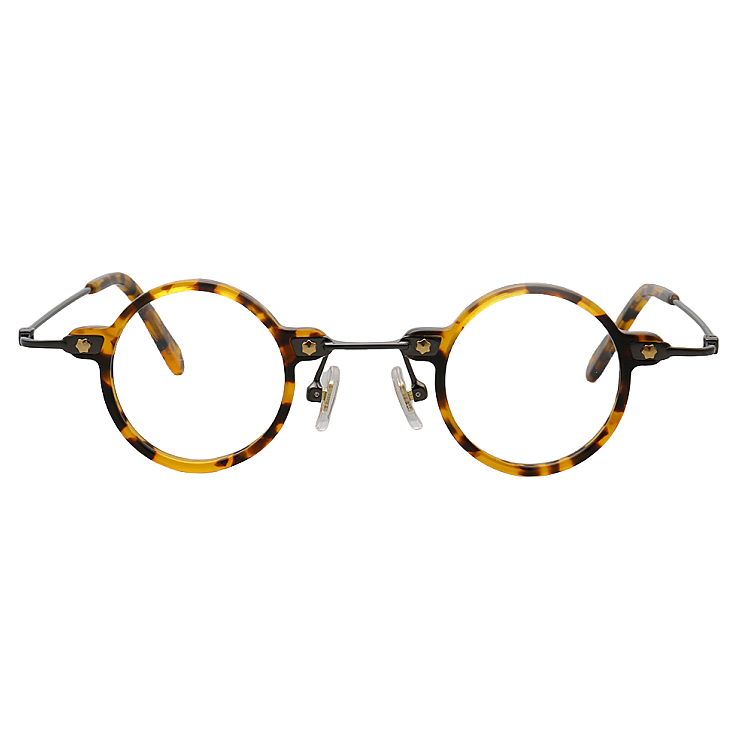
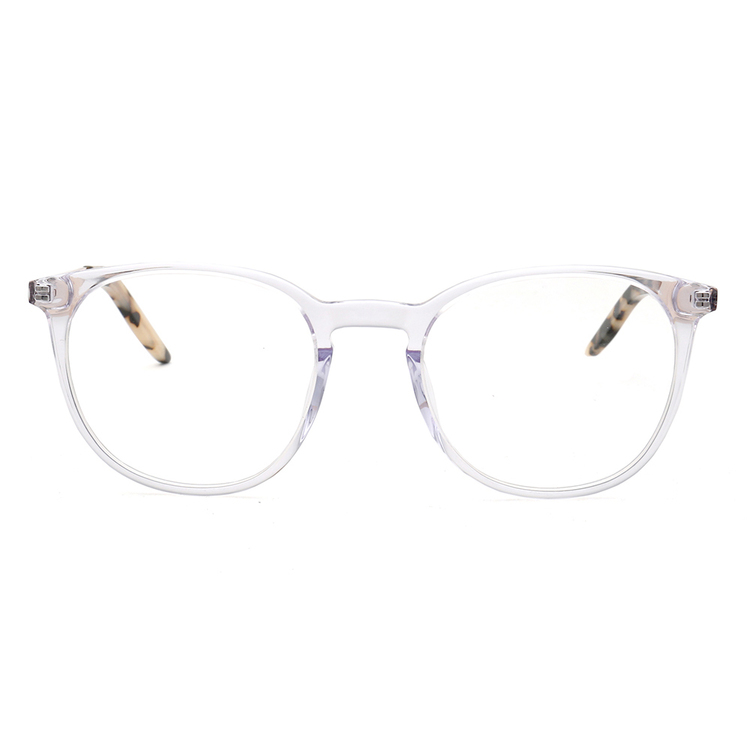
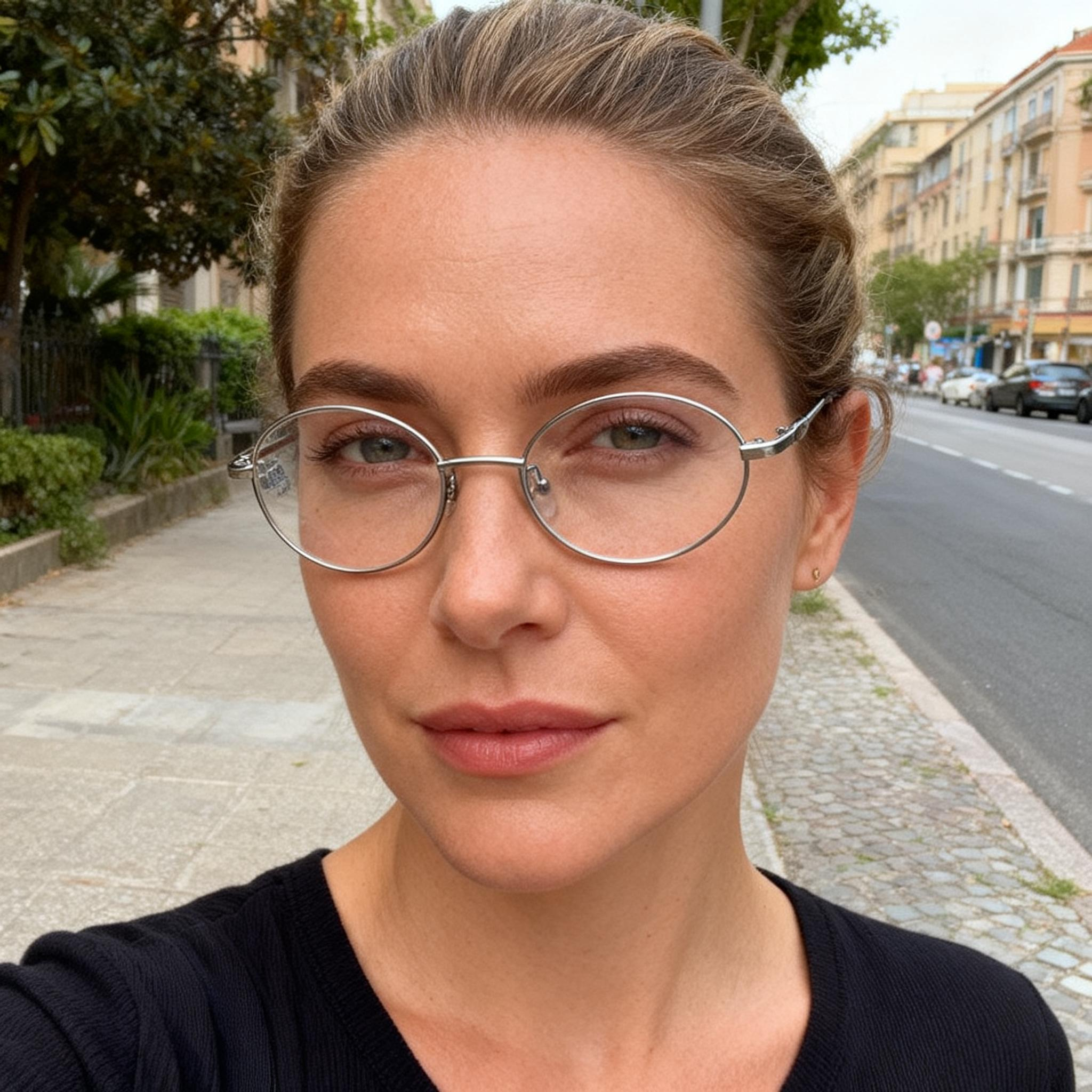
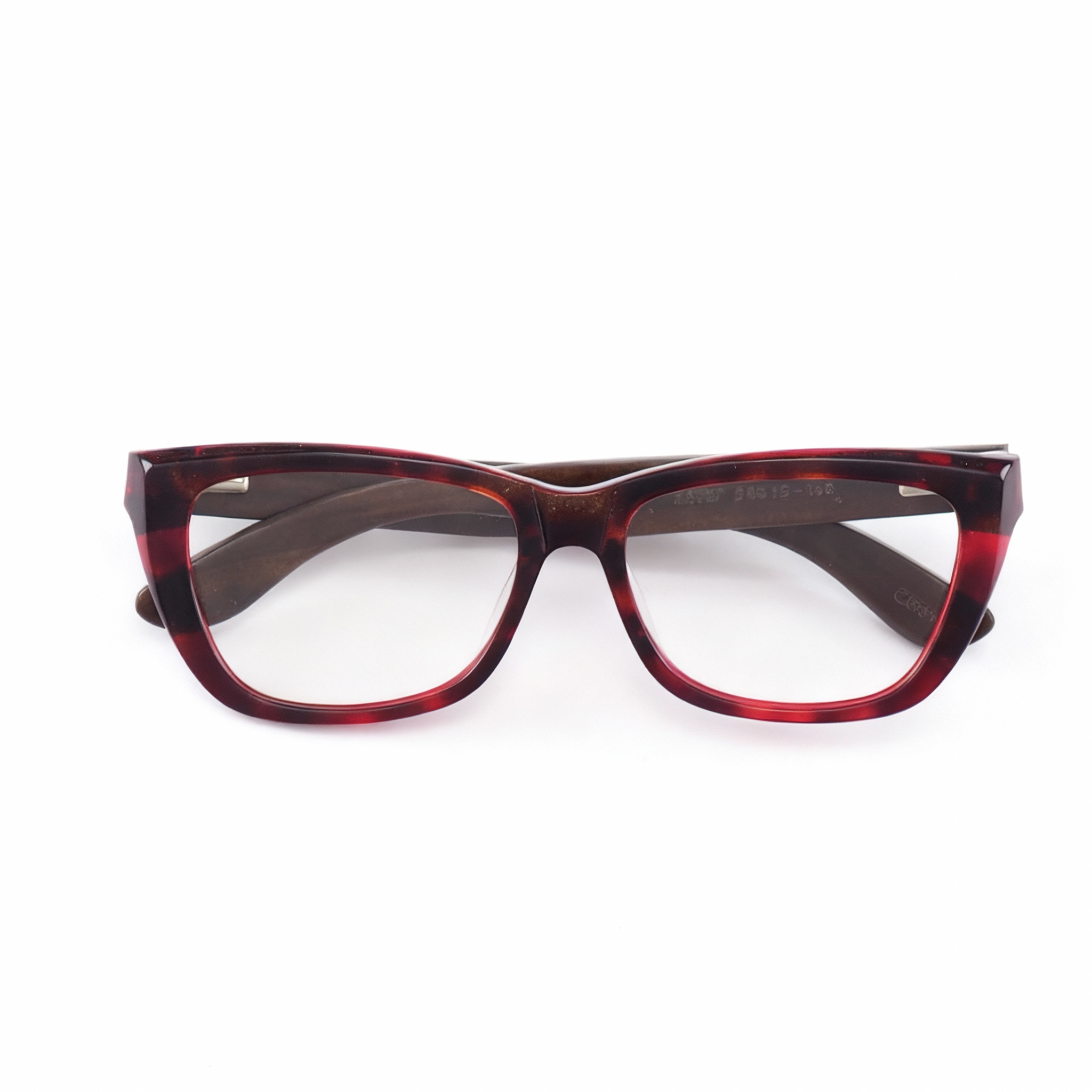
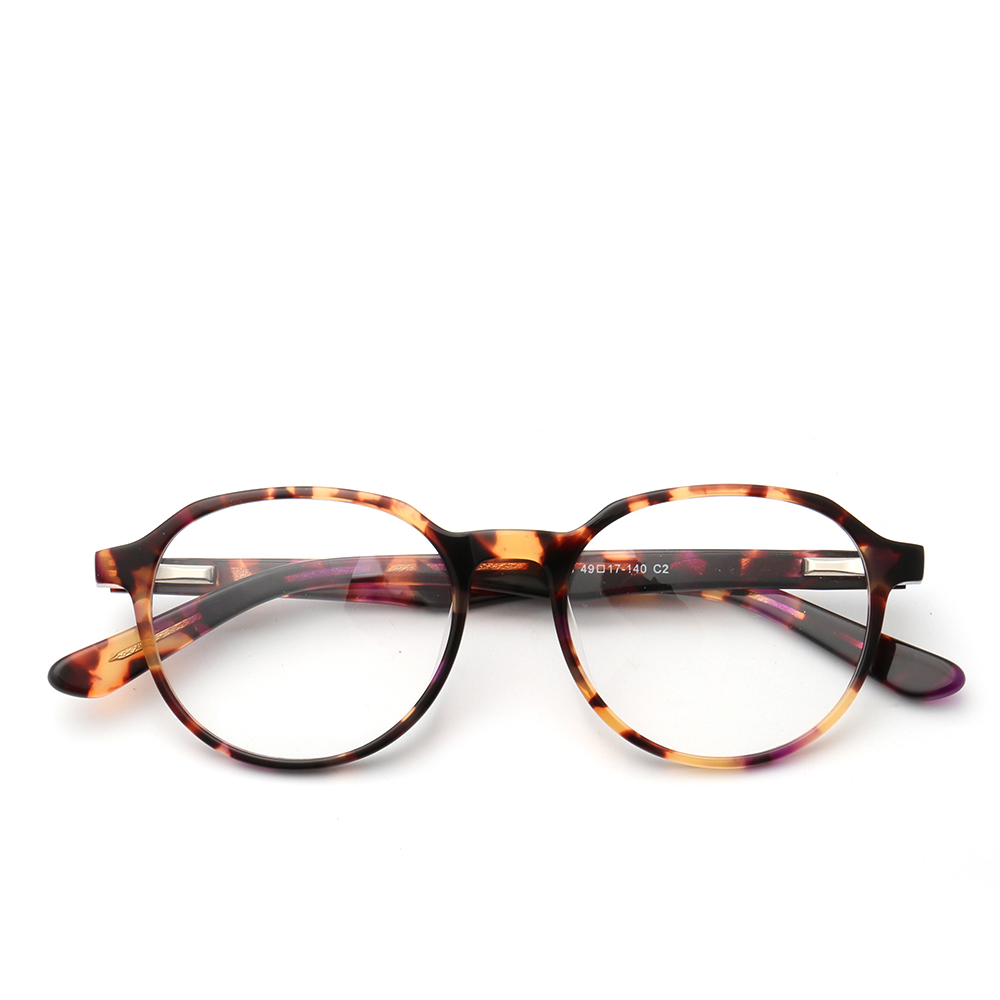
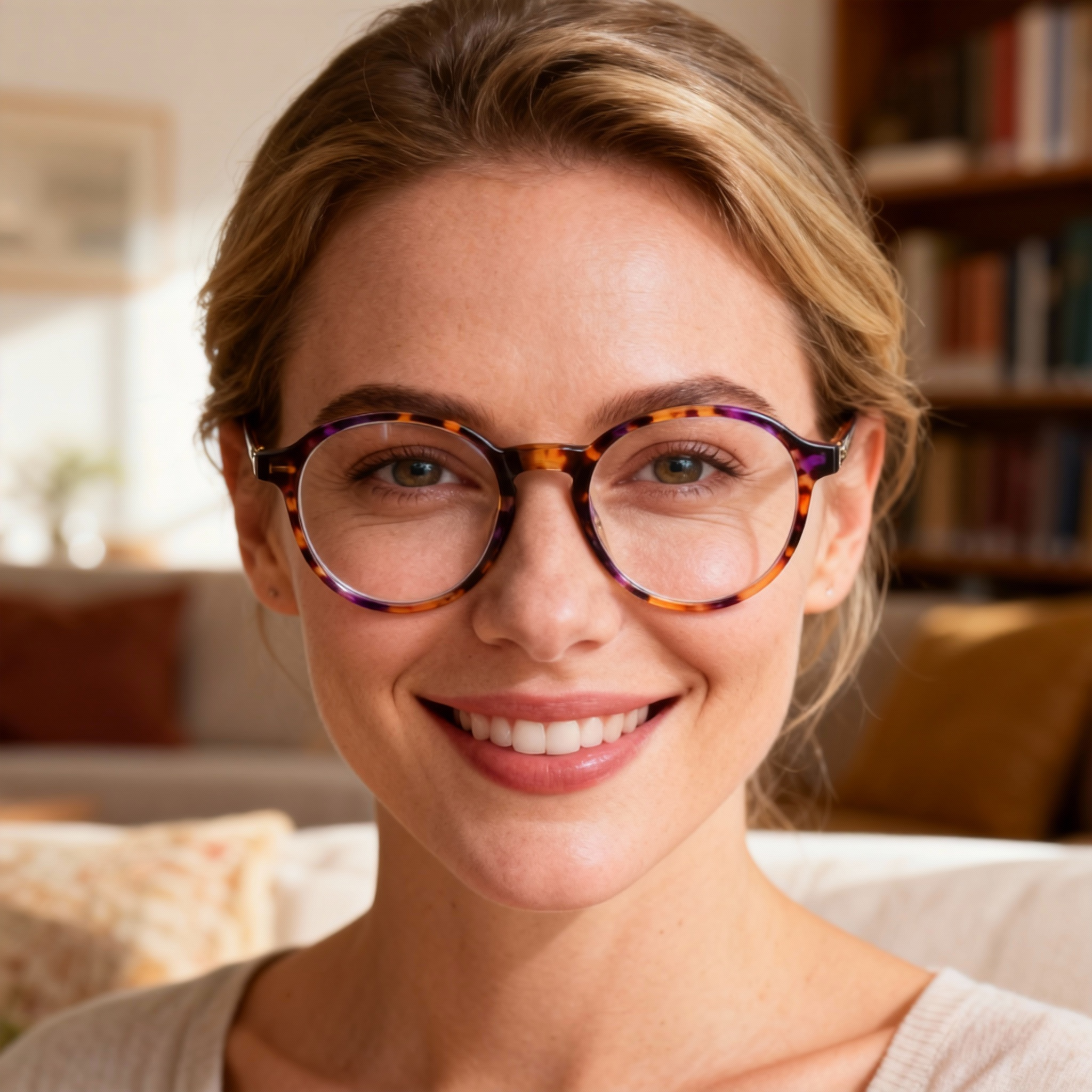
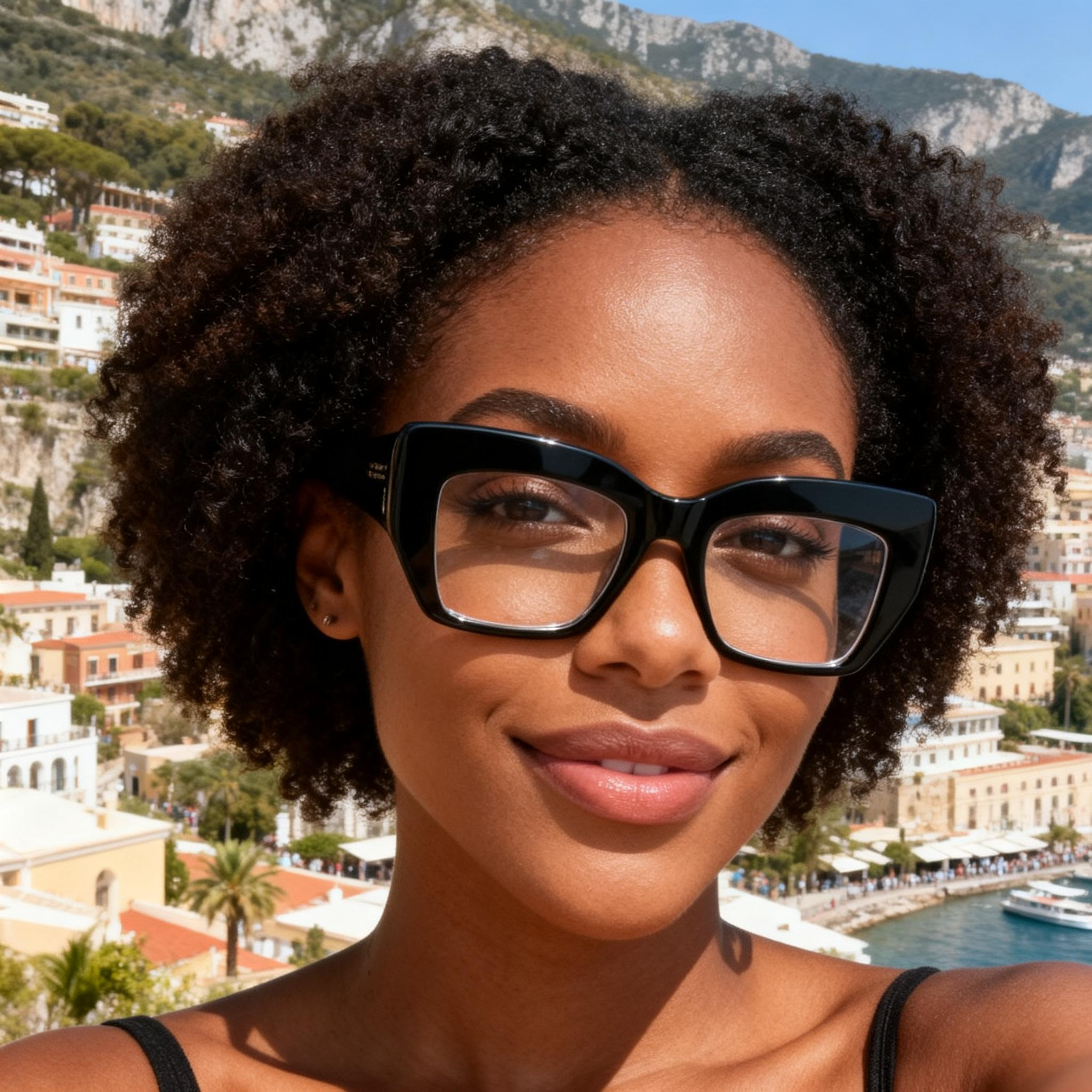
Modern women’s prescription glasses are no longer confined to standard, plain frames. Today, you can find a dazzling array of stylish, bold, and unique frames that showcase your personality while providing optimal vision correction. Whether you prefer minimalist metallics, chic cat-eyes, or vibrant, artistic designs, there’s a frame for every taste and face shape.
What Are Reading Glasses?
Reading glasses offer a simple solution for those who struggle with up-close tasks like reading, crafting, or sewing, particularly as they age. Most people begin to notice presbyopia—difficulty focusing on nearby objects—in their forties or fifties.
**Off-the-Shelf Solution**
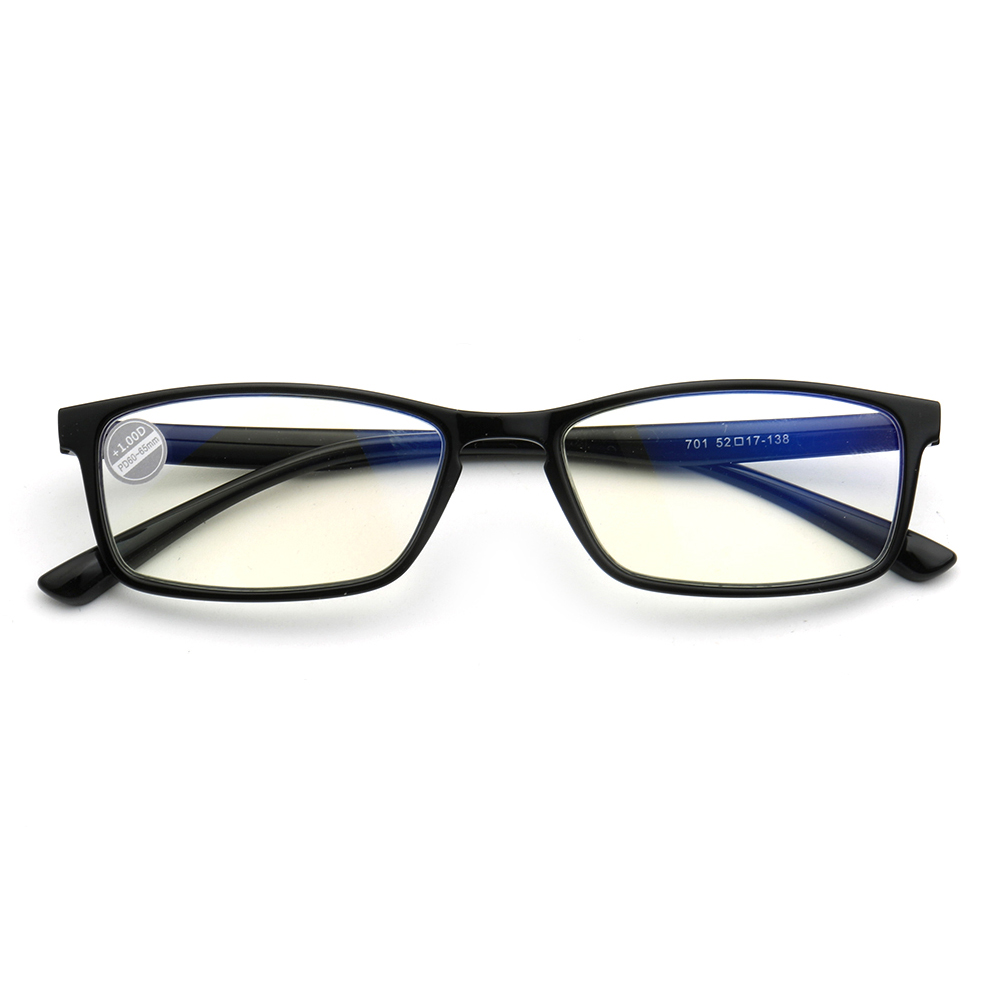
Unlike prescription glasses, reading glasses are typically available over the counter at drugstores, supermarkets, and online shops. They come in standard strengths (like +1.00, +1.50, +2.00, etc.), so you can choose a pair based on your comfort and reading clarity. No individualized assessment is needed, making them quick and convenient, especially for people who have no other vision problems.
**Limited Scope**
Reading glasses generally magnify text and small objects within arm’s reach, but they do not correct for other vision issues, such as astigmatism or significant myopia/hyperopia. They are designed for occasional use and best suited to those whose only problem is focusing on close-up items.
**Style for Every Personality**
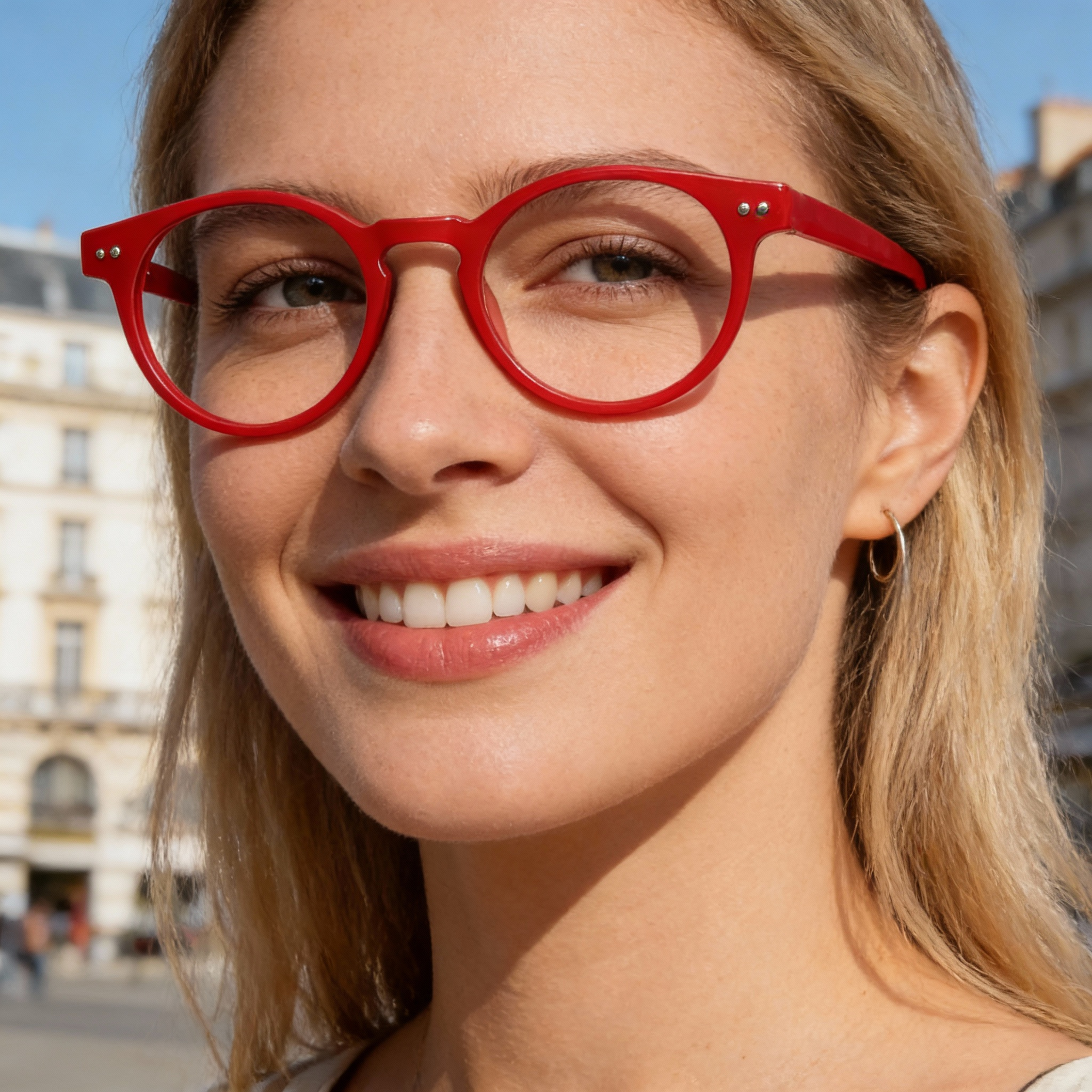
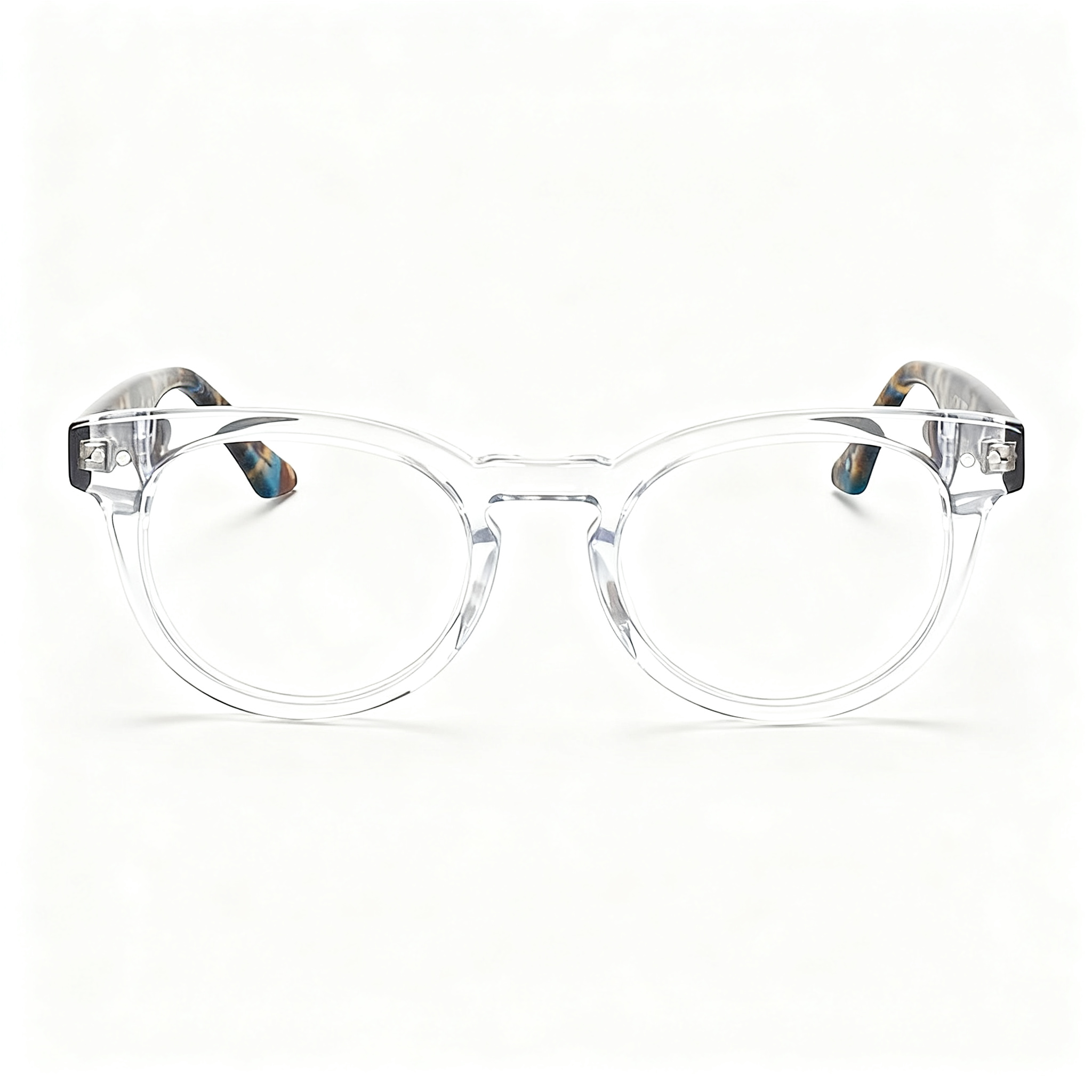
Just because reading glasses don’t require a prescription doesn’t mean they have to be boring! You’ll find plenty of fashionable, quirky, and elegant frames to suit every woman’s style—whether you love colorful acetate, daring patterns, or sophisticated simplicity.
Key Differences: Prescription Glasses vs. Reading Glasses
Understanding how these two types differ helps you make the right decision for your visual needs.
**1. Personalization**
- *Prescription Glasses*: Customized to your unique prescription following a comprehensive eye exam.
- *Reading Glasses*: Standardized strengths, self-selected based on comfort and convenience.
**2. Scope of Vision Correction**
- *Prescription Glasses*: Can correct multiple vision issues in each eye (including astigmatism and combined near/far-sightedness).
- *Reading Glasses*: Only assist with near vision; won’t address other problems.
**3. Fitting Process**
- *Prescription Glasses*: Require a prescription and precise fitting measurements, such as pupillary distance and lens height.
- *Reading Glasses*: One-size-fits-most approach; little to no fitting required.
**4. Use Case**
- *Prescription Glasses*: Suitable for full-time, all-day wear for those who need tailored vision correction.
- *Reading Glasses*: Ideal for occasional up-close tasks.
**5. Cost and Accessibility**
- *Prescription Glasses*: Generally costlier due to personalized lenses and doctor’s appointments, but often covered by insurance.
- *Reading Glasses*: Affordably priced and widely available without a prescription.
When Should You Choose Prescription Glasses?
You should opt for prescription glasses if you:
- Have trouble seeing both up close and at a distance.
- Experience symptoms such as eye strain, headaches, or blurry/double vision that persists even with store-bought glasses.
- Have been diagnosed with specific vision disorders (myopia, hyperopia, astigmatism, presbyopia).
- Want to enjoy the best possible vision, comfort, and lens technology.
- Desire stylish, made-to-order frames that cater to your tastes and fit your face perfectly.
Regular, comprehensive eye exams are crucial, as your vision can change over time and early detection of eye conditions can prevent further complications. With prescription glasses, you’re not only investing in clearer vision but also in your long-term eye health.
When Are Reading Glasses Suitable?
Reading glasses are a great choice if:
- You only experience difficulty with near tasks and have no issues seeing at a distance.
- Your main challenge is presbyopia without additional refractive errors like astigmatism.
- You need a quick, affordable solution for occasional reading, crafting, or computer work.
They are also handy to keep as a backup or in various locations—like your purse, home office, or bedside table—so you’re never without clear, up-close vision when you need it most.
Can You Use Both Types?
It’s common for people to switch between prescription glasses and reading glasses, especially if only one part of your vision (typically close-up) needs a little help. However, wearing the wrong glasses or over-the-counter readers when a personalized correction is needed can cause discomfort or exacerbate vision problems.
For those with presbyopia but also other refractive errors, **progressive multifocal prescription glasses** are the gold standard. These allow for seamless viewing at multiple distances—near, intermediate, and far—all in one pair. You’ll get sharper vision without the hassle of swapping frames for different activities.
Choosing the Right Glasses: Style Meets Comfort and Clarity
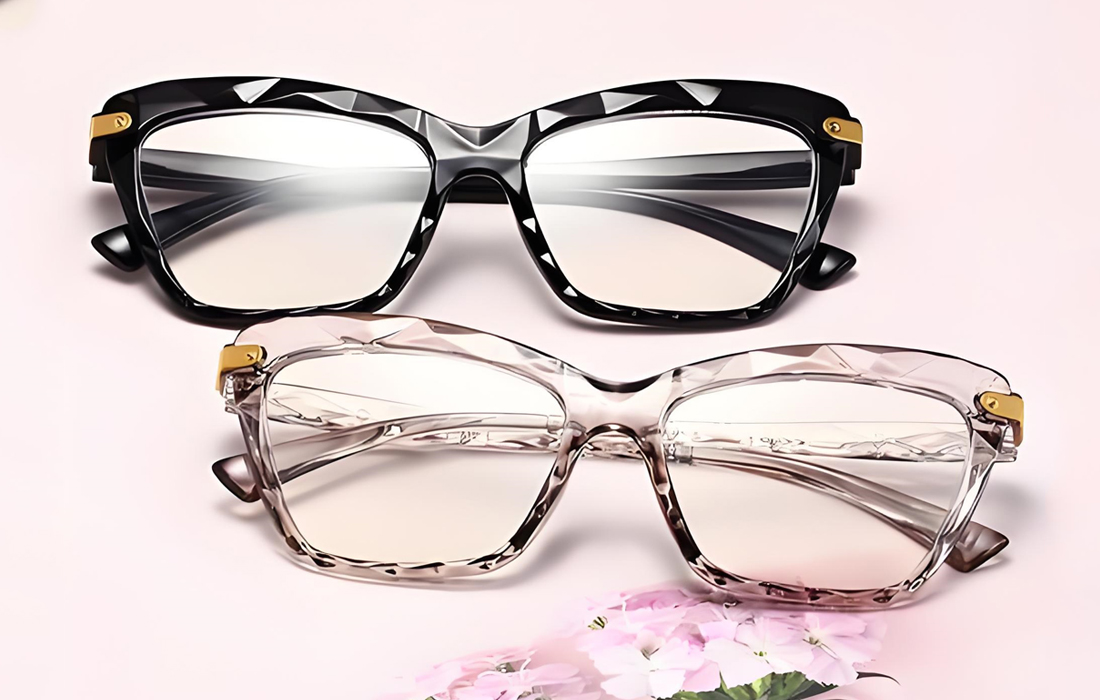
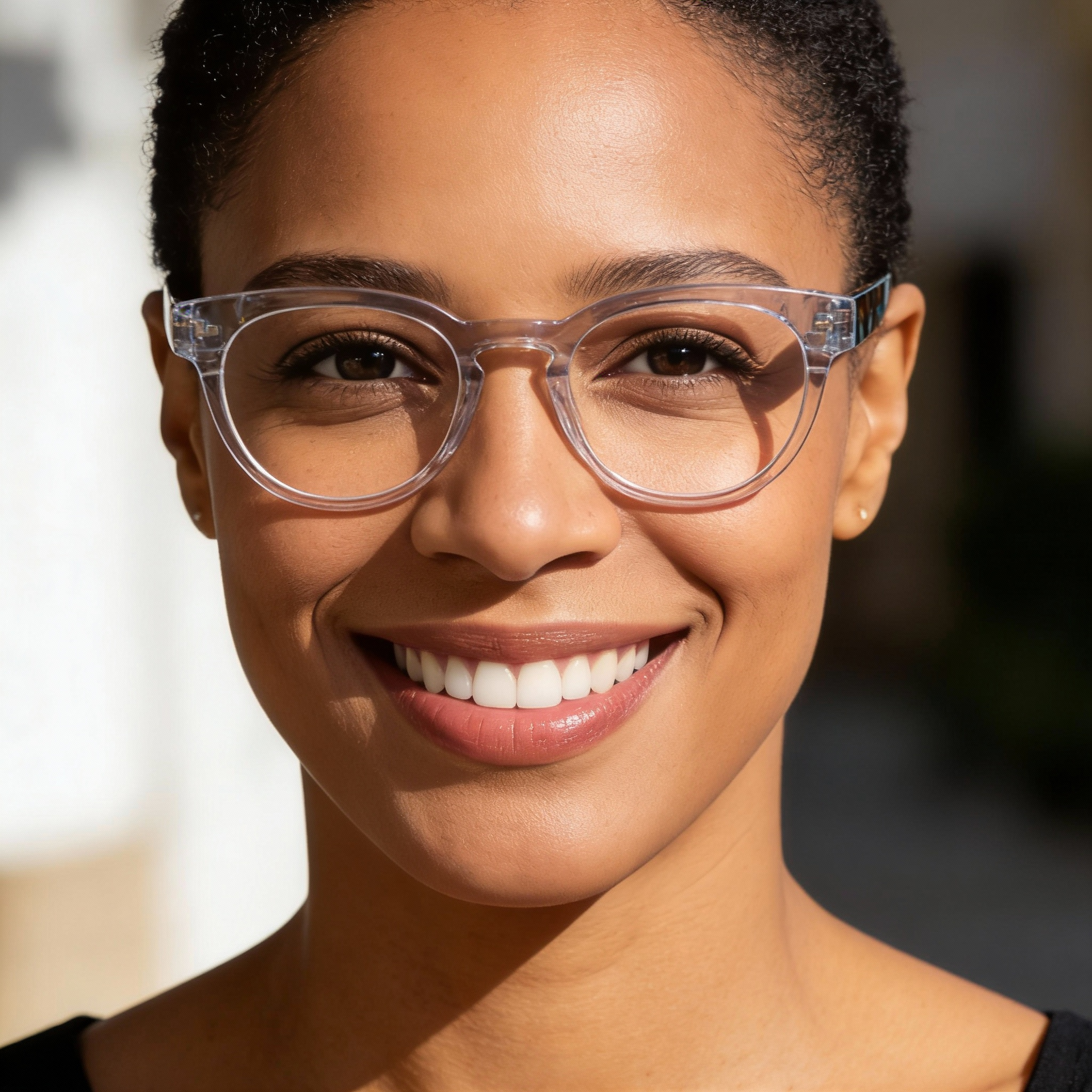
Whether you need prescription or reading glasses, there’s no need to compromise on style. Our website specializes in women’s prescription glasses, offering a curated selection of the most fashionable, unique, and expressive frames. From classic elegance to bold statements, our frames are made to celebrate your individuality and enhance your confidence—while providing crystal-clear vision.
Need advice on choosing the perfect pair? Our team is here to help with personalized recommendations and latest trends, ensuring you find glasses that truly suit your face shape, skin tone, and lifestyle.
Conclusion: Prioritize Your Eye Health and Personal Style
Knowing the difference between prescription glasses and reading glasses enables you to make informed choices that support your health and reflect your personality. For ongoing, complex vision correction and the ultimate in comfort and style, prescription glasses are unbeatable—especially when tailored to your needs and tastes. If you only need occasional help with close-up tasks, reading glasses offer a convenient and affordable fix.
Ready to see the world—and yourself—more clearly and fashionably? Browse our exclusive collection of women’s prescription glasses, where health, comfort, and style unite. Your perfect pair is just a click away.
**Visit our website today to discover our stunning range of women’s glasses and let your vision shine with confidence and flair!**